Water Extraction in Watertown, MA
Water reaches a Watertown home from more than one direction, whether the Charles River spills over its banks or a main breaks in the street. Crews pull the water out first, so drying starts on a floor that is no longer wet.
(888) 629-3140Start Watertown water removal now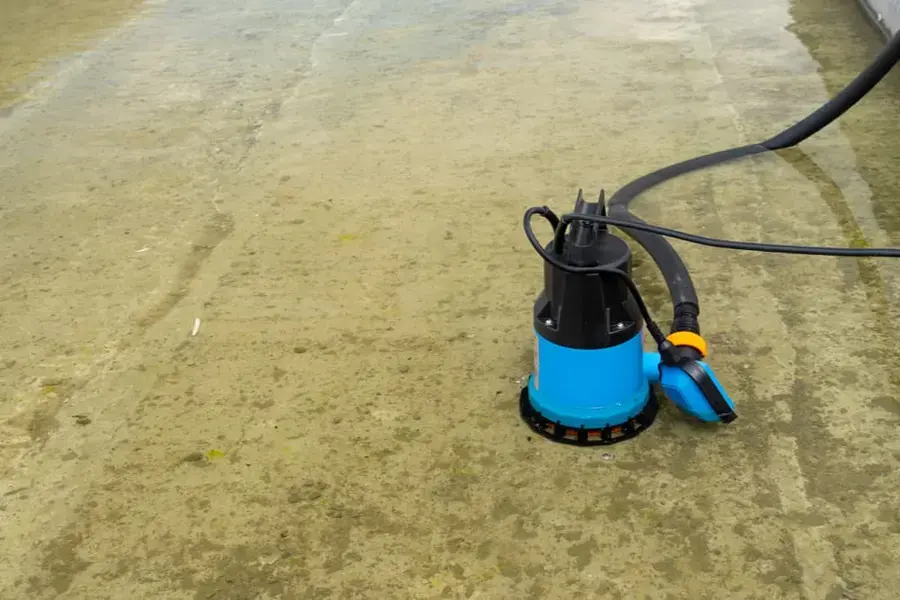
Standing water in Watertown has a few familiar origins. On March 15, 2010 the Charles River spilled over its banks along Pleasant Street, and on April 22, 2025 a main broke at Elton Avenue and Nichols Avenue in East Watertown. Indoors the story is the same: water sits on a floor and starts moving into whatever touches it.
First steps for water extraction and removal in Watertown
- I
Close the valve
Turn off the supply where it enters the home so the water stops growing.
- II
Mind the outlets
Keep off wet floors near outlets and switch off breakers only from a dry panel.
- III
Lift what is dry
Raise rugs, boxes and electronics onto furniture or into a dry room.
- IV
Take pictures first
Photograph the water and the damage before anything moves, then call.
How water extraction and removal is handled in Watertown
The tech who does the walkthrough maps moisture before any equipment goes down, so the drying plan follows what is actually wet. Equipment stays until the readings say dry, not until it looks dry.
- 1
Walk and map
Before anything is touched, the tech charts the wet areas using meters and a thermal imager.
- 2
Bulk removal
Extraction trucks or portable pumps lift the standing water off floors and out of carpet.
- 3
Pull the ruined
Pad that is saturated, baseboard that has swollen and wet insulation come out and get logged.
- 4
Hand off to drying
Fans and dehumidifiers are sized room by room and checked each day.
What does water extraction and removal cost in Watertown, MA?
Water extraction and the first drying setup in Watertown, MA usually cost $500 to $10,000, shaped by how many rooms are wet, the water category, whether pad or hardwood is involved and how long the water stood.
A single room, clean water
$500 to $1,500Several rooms or a low level
$1,500 to $4,000River or dirty water
$4,000 to $10,000Ranges are typical, not a quote: category of water, square footage, material class and how fast drying started move the number most. Run the water damage cost calculator for a closer range.
Pulling it out as liquid
Extraction takes the water out in liquid form, which beats evaporating it with dehumidifiers on both speed and cost. Wands work hard floors, weighted tools work carpet pad and a submersible pump takes over once the water is more than a few inches deep.
- Carpet frequently survives; the pad under it rarely does, because pad acts like a sponge.
- Hardwood goes onto mats that lift moisture out through the boards, and the meter shows when the wood has settled.
- Deep water in a low level is pumped before anything else is touched.
What shapes a Watertown job
The City's draft housing plan says about 80 percent of Watertown housing was built before 1979, so many floors and walls are older materials that hold water for a long time. Two-family houses add a second route, because water from one unit travels down into the next.
Before equipment goes down, the tech scans the floor under the wet area with a pinless meter and a thermal camera, then passes the job to structural drying.
Clean water or not
A supply pipe starts out as Category 1, yet water moving across a floor or through soil collects contaminants fast. Water from a riverbank overflow or a floor drain counts as Category 3 on arrival, which changes the protective gear and the list of materials that must go. Sewage jobs follow sewage backup cleanup.
Water extraction and removal across Watertown and nearby towns
Extraction crews work across ZIP 02472, including Watertown Square, East Watertown, Bemis, the West End, Coolidge Square and the Arsenal Street corridor.
The same service nearby: water extraction and removal in Waltham, Belmont, Newton.
Water Extraction and Removal questions in Watertown, MA
How long can standing water sit?
Not long. Within hours it works into plaster, subfloor and trim, and the 24 to 48 hour mold window opens quickly. Removing the water first and drying second keeps the loss smaller.
Will the carpet survive?
Frequently. Clean water and fast extraction usually save the carpet, while the pad beneath holds too much and is typically replaced. When river water or sewage was involved, the carpet goes too.
Can a household wet vac do the job?
On a small tile spill, yes. Carpet, hardwood and low levels keep most of their water after a household vac, which is why trucks with stronger suction get used.
What does water do to hardwood?
It creeps in from the edges and the underside, and the boards begin to cup. A mat system draws moisture up through them while a meter follows the wood back toward its usual level.
Does everyone have to leave during extraction?
With clean water, usually not. When sewage or river water is involved, the area is sealed off and people and pets should stay out of it.
Will insurance cover this?
Most policies treat extraction as mitigation after a sudden, accidental event. Rising river water is handled differently, and every policy varies, so ask your own insurer.
Related water damage services in Watertown
Standing water in your Watertown home?
Standing water adds to the drying bill with every passing hour. Crews pull it out first, then the drying work begins.
(888) 629-3140Start Watertown water extraction