Water Damage Restoration Lexington, MA
Water damage restoration in Lexington, MA, any hour of the night. Extraction comes first, then structural drying following IICRC S500 practice, with daily readings and photos that go straight into the claim file.
(888) 629-3140Call for Lexington water removalZIP 02420, 02421 and 01731, from Lexington Centre to East Lexington and Woodhaven
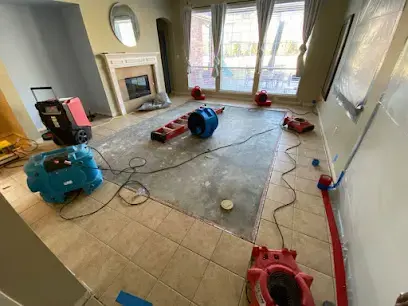
Moves to make when water is spreading through a Lexington home
- I
Stop the supply
Turn the main valve inside the house to closed. A break out in the street belongs to the Water and Sewer Division.
- II
Mind the electricity
Flip breakers off for wet rooms only when both the panel and the ground you stand on are dry.
- III
Leave the drains alone
If a floor drain starts to bubble or rise, stop using toilets, showers and the washing machine.
- IV
Photograph the scene
Capture each soaked floor, wall, ceiling and stored box first, so the file shows the damage as it was.
- V
Get valuables up
Carry rugs, electronics and paper to a dry surface, then call for extraction.
Water damage services available across Lexington, MA
Lexington water losses come from a short list of sources: brooks that run high, old water mains, freezing pipes and sewer backups. Every service below is built around one of them.
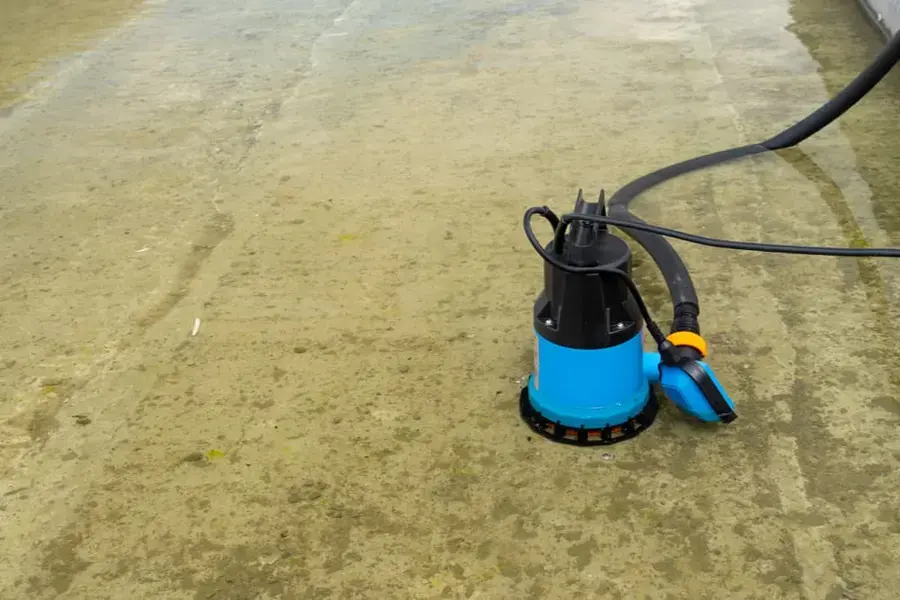
Water Extraction and Removal
Water left behind by a main break or a brook that crested, lifted off the floors before plaster and hardwood absorb it.
See water extraction and removal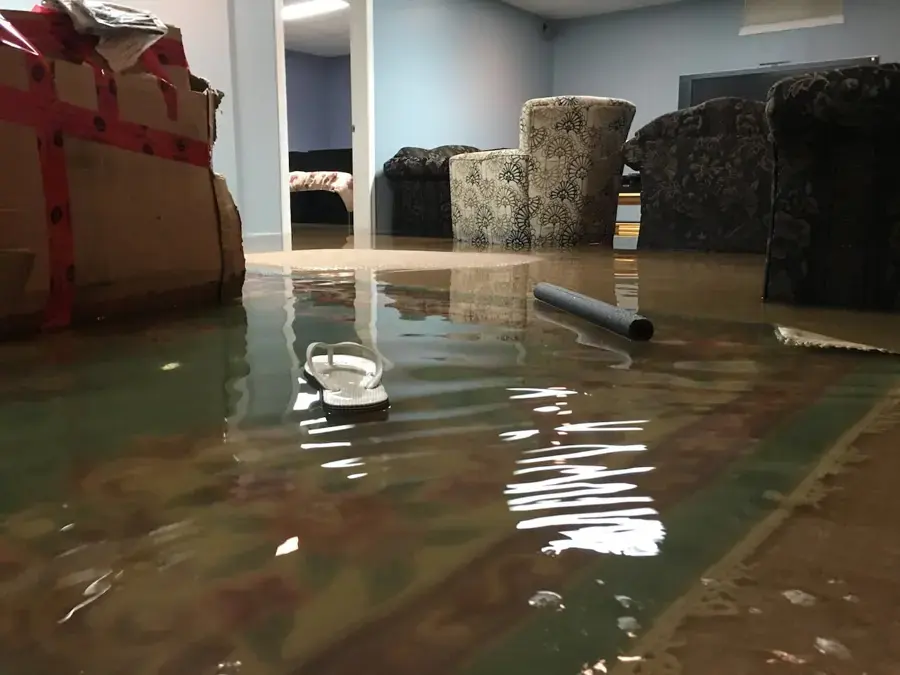
Basement Flooding Cleanup
Low rooms that took on water are pumped dry, stripped of soaked finishes and dried against a target reading.
See basement flooding cleanup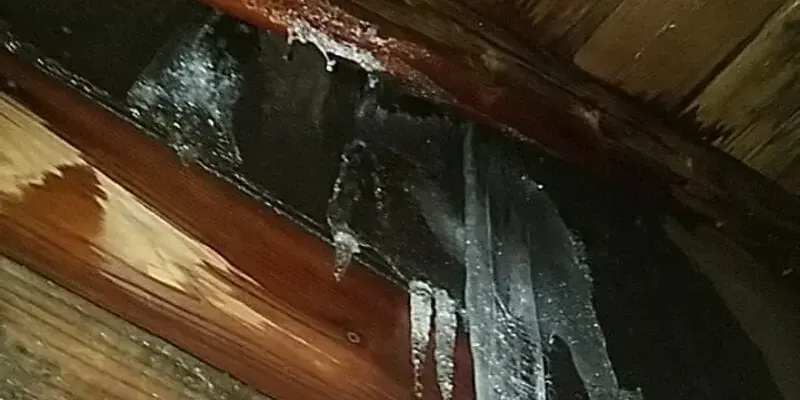
Frozen Pipe Water Damage
Splits in cold garages, attics and outside walls are traced behind the surface and dried where they sit.
See frozen pipe water damage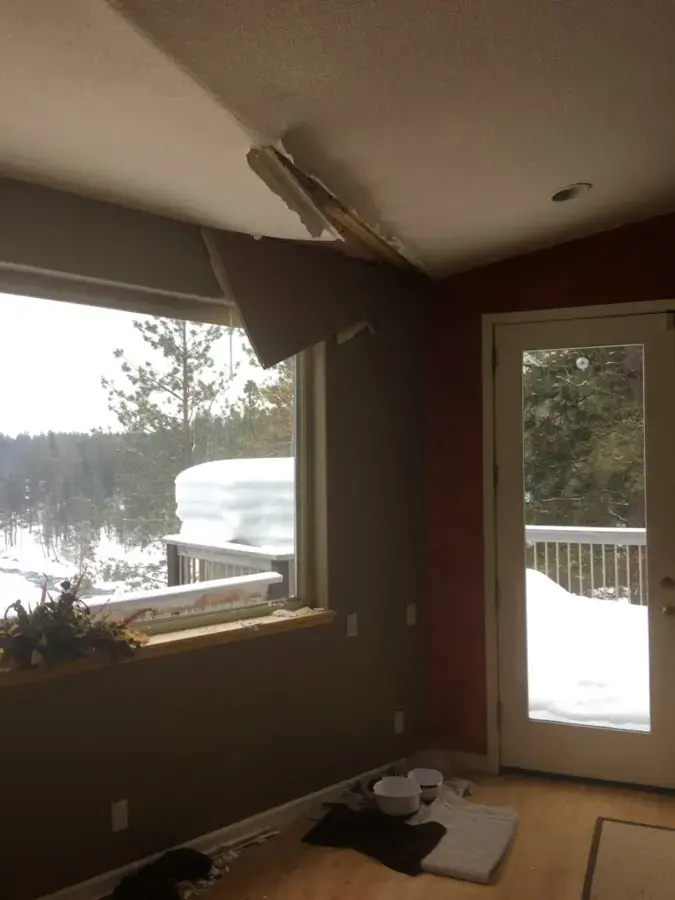
Ice Dam Water Damage
Roof edge meltwater that crept beneath shingles is followed into attics and upper ceilings, then dried.
See ice dam water damage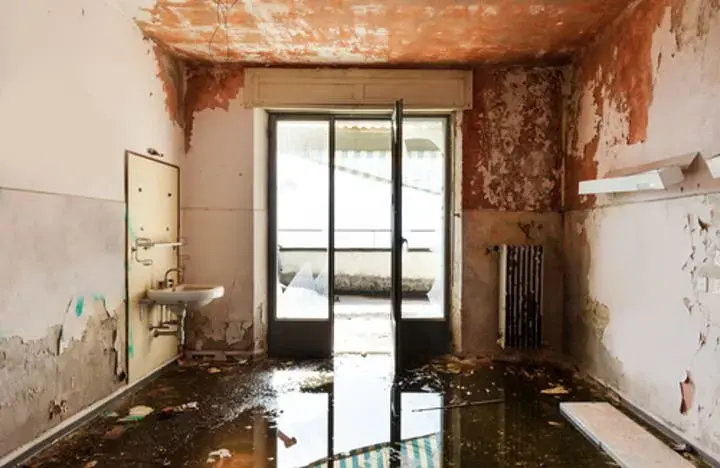
Storm and River Flood Cleanup
Brook overflow and street runoff count as Category 3, so porous materials go out and the framing gets dried.
See storm and river flood cleanup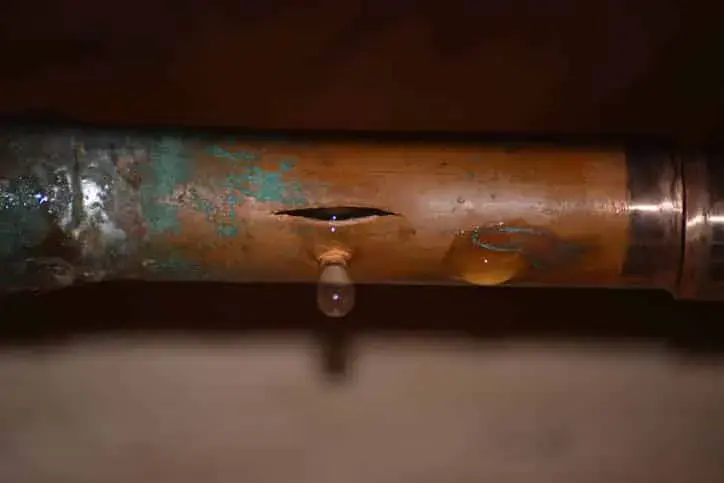
Burst Pipe Water Damage
Tired supply pipes that let go are dealt with room by room, with walls opened only where meters point.
See burst pipe water damage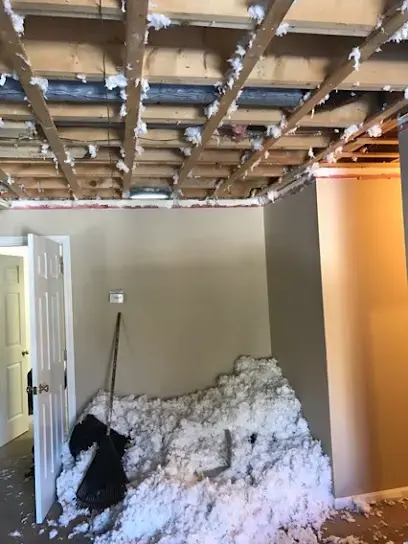
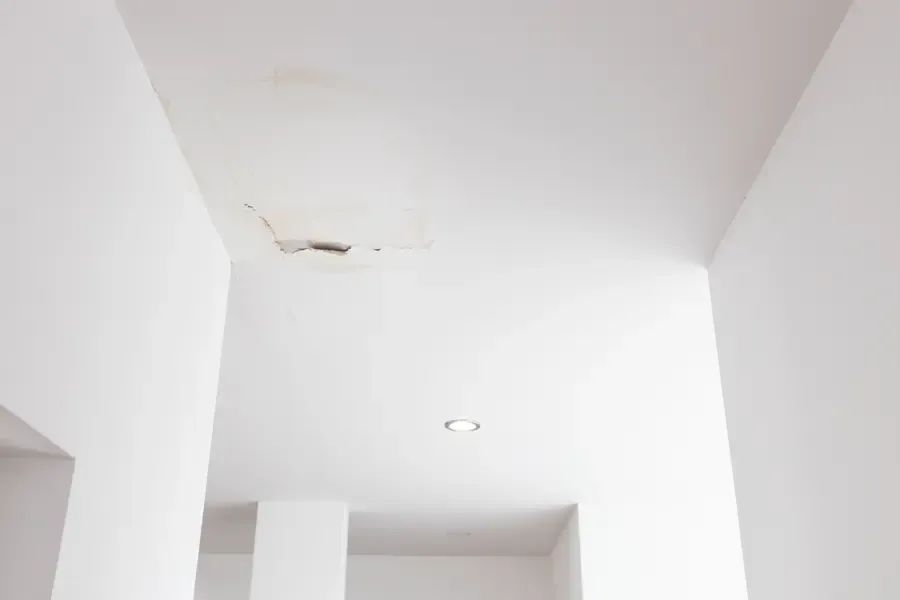
Ceiling Leak Water Damage
Stains and sags from a bathroom or roof overhead are traced, opened with care and dried between the joists.
See ceiling leak water damage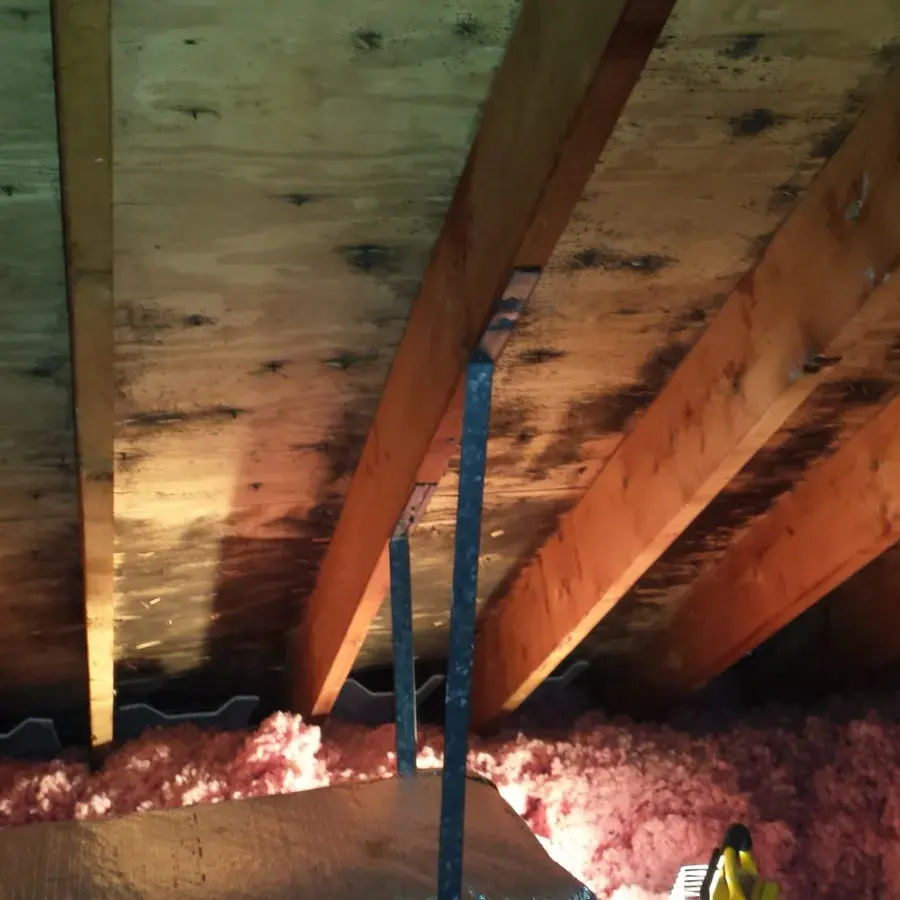
Roof Leak Water Damage
Wind-driven rain that got past flashing and valleys is chased into the attic and the wet insulation pulled.
See roof leak water damage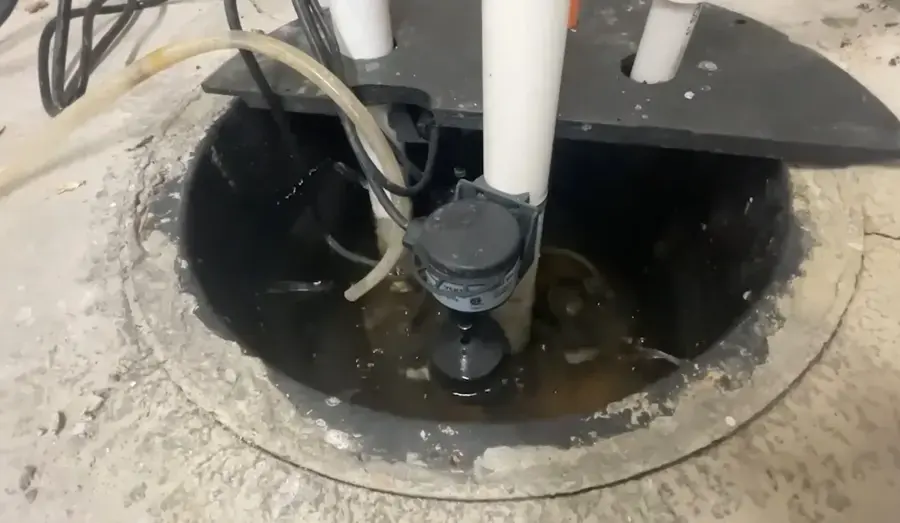
Sump Pump Failure Cleanup
A pit that overflowed after a power loss or hard rain is emptied before the floors and walls are ruined.
See sump pump failure cleanup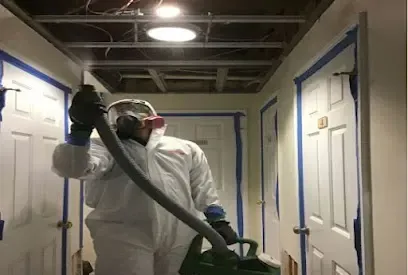
Sewage Backup Cleanup
Floor drain backups are sealed off, porous material is removed and each surface is treated.
See sewage backup cleanup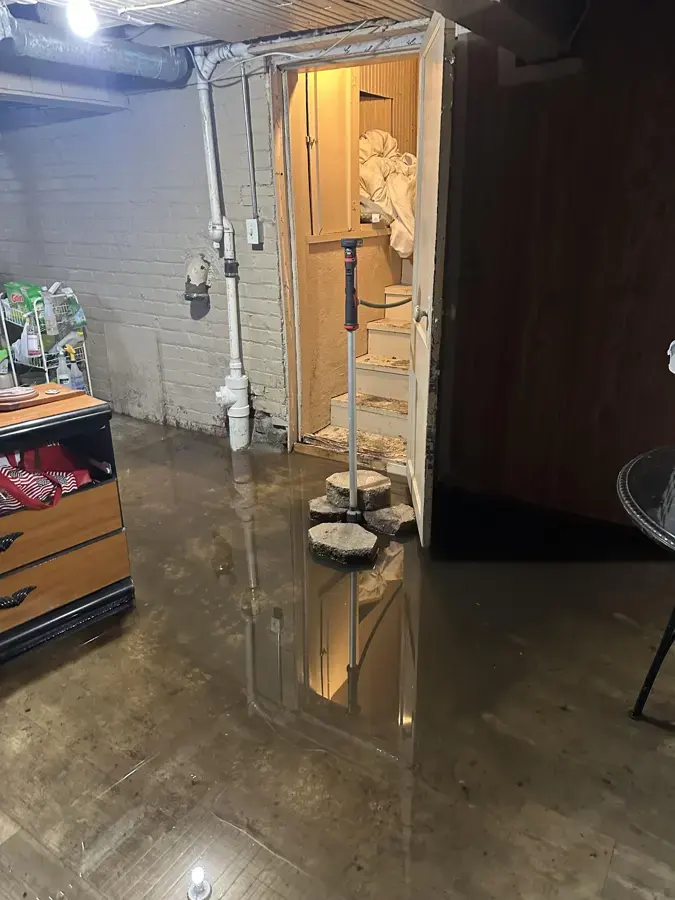
Water Heater Leak Cleanup
A tank that failed unnoticed is extracted, and the floor, walls and stored belongings are dried.
See water heater leak cleanup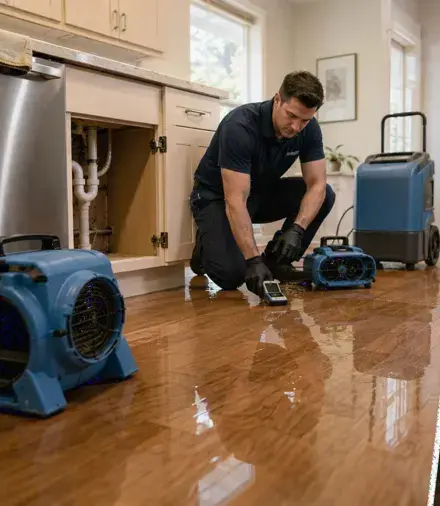
Appliance Leak Water Damage
Washer, dishwasher and ice maker leaks dried beneath cabinets and hardwood and in the ceiling under them.
See appliance leak water damage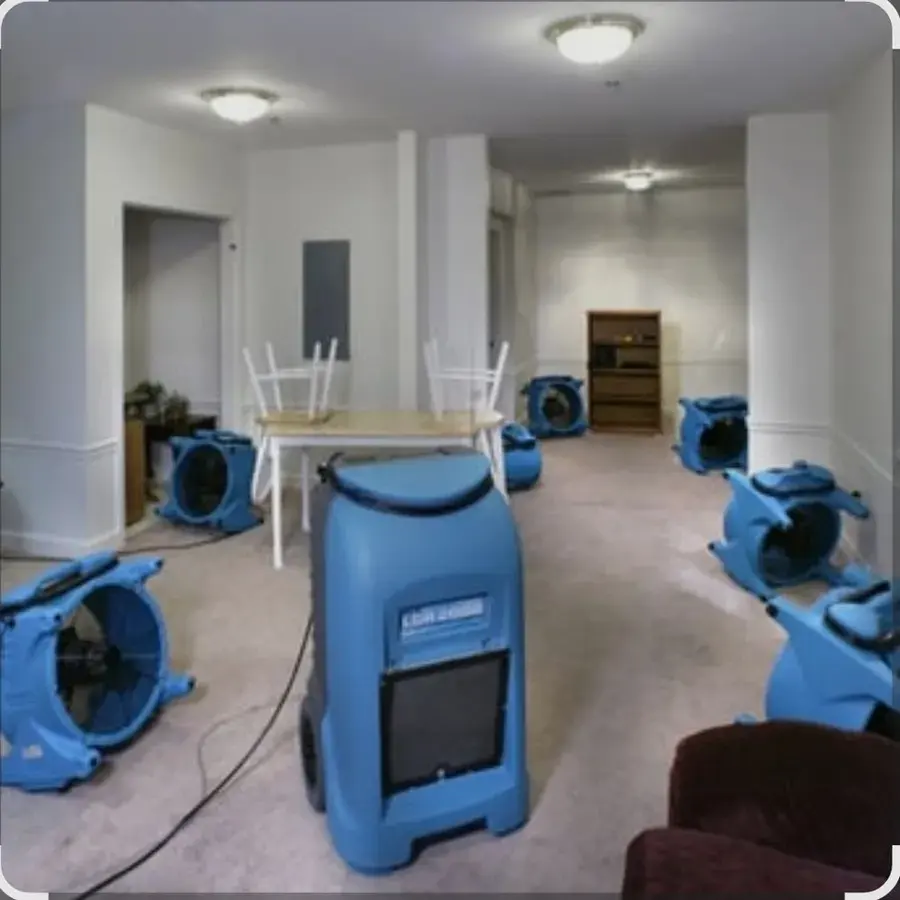
Structural Drying and Dehumidification
Framing, subfloor and plaster brought to within 2 to 4 points of a dry reference material.
See structural drying and dehumidification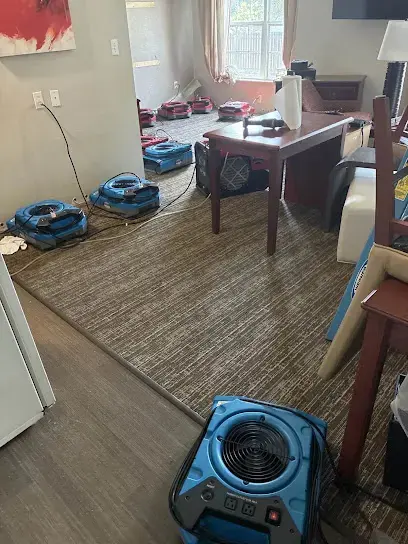
Commercial Water Damage
Hayden Avenue labs, Lexington Centre storefronts and school buildings are dried in phases.
See commercial water damageLexington water damage dried under the IICRC S500 standard
A job here is done only when the hidden layers have dried: the subfloor beneath the boards, the bottom plate in the wall, the joists overhead. Daily readings, compared against a room the water never touched, prove it.
- 1
Mapping the moisture
Before a fan is placed, the walkthrough tech scans floors, walls and ceilings with meters and a thermal camera, on every level the water reached.
- 2
Pulling the water
Truck-mounted units lift standing water out of carpet as liquid, and submersible pumps empty any low room that has filled.
- 3
Placing the equipment
Air movers and LGR dehumidifiers are sized to the class of loss, with mats under hardwood and ports drilled for the wall cavities.
- 4
Proving it is dry
Numbers go in the log each day. The machines leave only when wet materials read near the dry reference.
Three water categories, all handled in Lexington
Clean water
A split supply pipe, a failed tank or a main that broke outside. Early action often means it can be dried where it sits.
Burst pipe water damageGray water
Washer discharge, dishwasher drains or a sump pit that overflowed. Surfaces are washed and treated ahead of drying.
Appliance leak water damageBlack water
A sewer backup, or brook water that crossed a street. Porous materials it reached are removed, never dried.
Sewage backup cleanupWhat water damage cleanup costs in Lexington, MA
Expect roughly $1,200 to $25,000 or more for a Lexington water loss. One wet room lands at the bottom of that range, while a flooded lower level, a leak that crosses floors or a sewer backup lands higher. Category, area, materials and how quickly drying begins set the number.
Clean leak, one or two rooms
$1,200 to $4,000Lower level or several rooms
$4,000 to $10,000Sewage or flood water
$10,000 to $25,000+Ranges are typical, not a quote. A Lexington homeowner can test numbers in the water damage cost calculator or the drying time estimator.
Sequence matters in a Lexington dry-out
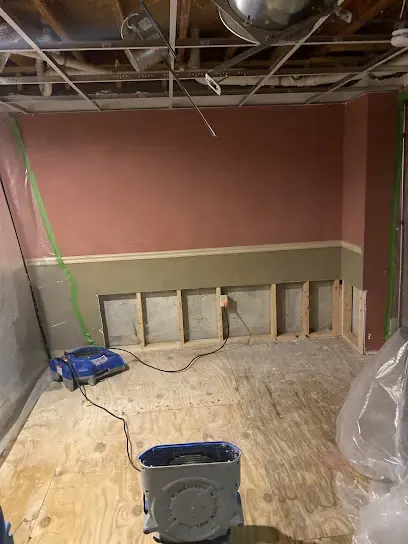
Water travels faster than most owners expect, from a wet floor into the plaster and down through the ceiling below. So the tech maps every level first, the extraction crew clears the liquid, and equipment is sized before anything is cut.
Quick local dispatch
Active water in Lexington is treated as urgent at any hour, and the crew is sent out on the call.
S500 drying, start to finish
The structure gets dried, not just the surface, and equipment keeps running until readings say dry.
Paperwork an adjuster can use
Moisture maps, daily psychrometric logs and timestamped photos are captured before demolition begins.
Lexington water know-how
Brook flooding, water main breaks, sewer backups and winter freezes are the local patterns.
What the insurance file should hold
An adjuster rules on a water claim from the paperwork alone, so the record has to show what got wet, why, and how it was dried.
What the claim file carries
- A day-one moisture map covering each level the water reached
- Daily psychrometric logs and moisture readings until the goal is met
- Photos with timestamps, shot before any material is removed
- The category and class of loss named the way IICRC S500 names them
- An itemized scope in the layout adjusters expect to see
Review your own policy
What is covered depends on the policy, so it is worth asking your own insurer. Flood coverage is a separate policy from homeowners, and updated FEMA flood maps for Middlesex County took effect on June 8, 2025.
Sewer backup is frequently an endorsement rather than a standard feature, so check whether yours includes it before a loss happens.
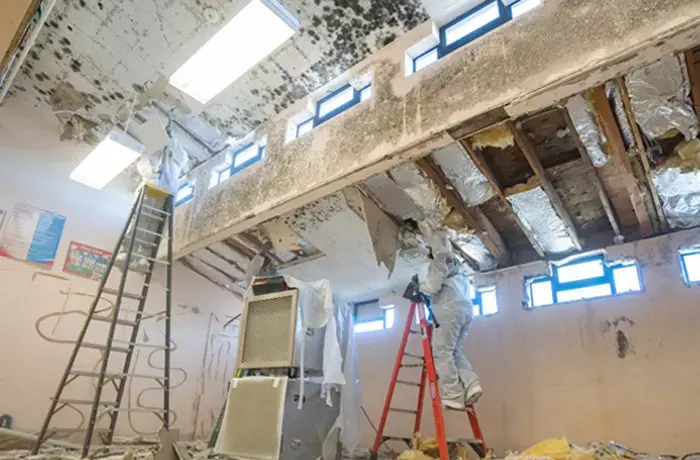
Representative dry-out scenes for a Lexington home

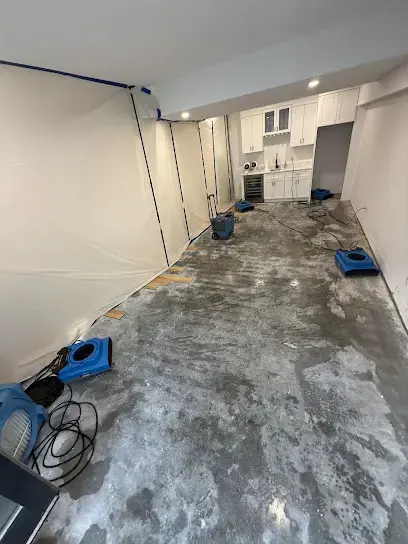
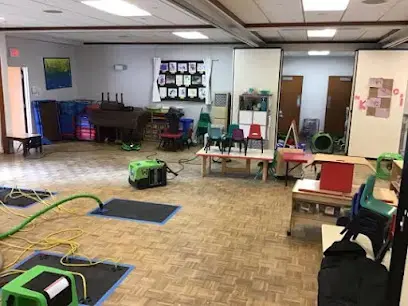
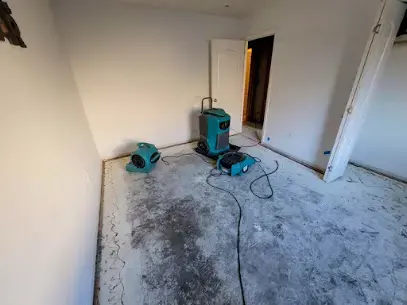
One call covers Lexington around the clock
Lexington neighborhoods
ZIP codes
Nearby areas
Lexington's water risks, from brooks to old mains
Lexington drains into three river systems, and its water problems follow the brooks, the age of its water mains and the sewer system beneath the streets.

March 2010. North Street was nearly submerged on March 14 and 15, and a swollen Vine Brook fed major flooding on the Shawsheen River. A main break near Massachusetts Avenue flooded homes in January 2011.
- I
Three watersheds
Lexington sits in the Charles, Mystic and Shawsheen River watersheds, and the Shawsheen basin covers the largest share, downtown included.
- II
Brooks through the center
Vine Brook starts at the Old Reservoir, runs through Lexington Centre and then in a culvert under two malls on its way north.
- III
Aging water mains
Officials put the pipes near the Massachusetts Avenue break of January 2011 at about 90 years old, and a 2021 break sent water across Watertown Street.
- IV
A big sewer system
Ten pump stations and 4,924 manholes carry Lexington sewage to the MWRA, and the Town posts advisories when an overflow happens.
- V
Postwar growth
Population jumped from 13,187 in 1940 to 27,691 in 1960, and an older housing profile counts 33 percent of units from 1940 to 1959.
Lexington homeowners ask about water damage
Who runs the water and sewer service in Lexington?
The Department of Public Works Water and Sewer Division runs the Town's water and sewer systems, and the water itself comes from the MWRA. The street side of a break is theirs. Water that reaches the inside of a house calls for water extraction.
How will I hear about a sewer overflow?
The Lexington Water/Sewer District sends a public advisory when a sewer discharge or overflow happens, and residents can sign up for alerts through CodeRED. If sewage reaches your floor, treat it as Category 3 and see sewage backup cleanup.
Does homeowners insurance cover water damage in Lexington?
Usually when the water is sudden and accidental, like a burst pipe or a failed water heater. Flood water needs its own flood policy, and sewer backup is often an endorsement. Coverage depends on your policy, so it is worth checking with your own insurer.
Where do pipes freeze most often?
The Town's frozen pipe page lists outdoor hose bibs, pool and sprinkler pipes, and supply pipes in unheated basements, crawl spaces, attics, garages and kitchen cabinets. Pipes along poorly insulated exterior walls freeze too, hot or cold.
Can Vine Brook flooding reach a house?
Brook overflow is part of Lexington's history. Vine Brook flooded Waltham Street in Colonial days, and in March 2010 it fed flooding that nearly submerged North Street. Water that comes over a bank or across a street is Category 3 from the start.
Can a sump pump send water to the sewer?
Clear groundwater can enter the sanitary sewer through leaks, cracked pipes or sump pumps, and Lexington's Sewer Use rules restrict that inflow and infiltration. A pit that overflows is a separate problem, handled as a pump-out and drying job.
What do the new flood maps mean for me?
FEMA's updated maps for Middlesex County became effective on June 8, 2025, and Lexington has a National Flood Insurance Overlay District bylaw. Neither changes how a wet house is dried, but both are worth reviewing with your insurer.
Does restoration cover commercial buildings in Lexington?
Yes. Hayden Avenue has life science labs, Lexington Centre has brick commercial blocks, and school campuses have large floor plates. Losses there are dried in phases so the building keeps working. See commercial water damage.
How long does drying take?
A small Class 1 loss often dries in three to five days. Plaster, hardwood and water that crossed two floors take longer. Equipment leaves when readings match a dry reference material, not on a set date.
How is the cost worked out?
Restoration contractors usually price from an itemized estimate covering square footage, water category, class of loss, equipment days and materials removed. The cost calculator gives a typical range.
Water damage in Lexington? Get the drying started tonight.
From a brook that crossed a street to a pipe split in an exterior wall, the restoration team extracts, dries and documents every step.
(888) 629-3140Lexington water removal, 24/7