Water Damage Restoration Waltham, MA
24/7 water damage restoration in Waltham, MA. The restoration team extracts standing water, dries plaster, hardwood and framing to the IICRC S500 standard and documents every step for your insurance claim.
(888) 629-3140Call now for Waltham water removalZIP 02451, 02452, 02453 and 02454, plus Watertown, Newton, Belmont and Weston
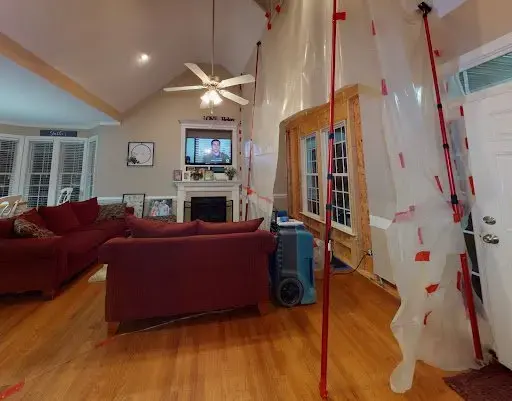
What to do while the water is still moving
- I
Shut the main valve
In most Waltham houses the main shutoff sits on the basement wall where the water service comes in from the street.
- II
Kill power to wet circuits
Switch off breakers for wet rooms only if the panel is dry and you are standing on a dry floor.
- III
Stay out of standing water
Keep clear of basement water near outlets, the furnace or the water heater, and keep pets upstairs.
- IV
Photograph before moving anything
Take wide shots and close-ups of every wet floor, wall and ceiling before you lift rugs or carry out boxes.
- V
Lift, prop and call
Pull rugs off hardwood, set furniture on blocks, then call. Mold can start within 24 to 48 hours.
Water Damage Restoration Services in Waltham, MA
Wet basements, frozen pipes and ice dams lead the list in Waltham, with sewage backups and storm water close behind. The restoration team handles each one from the first extraction to the final dry reading.
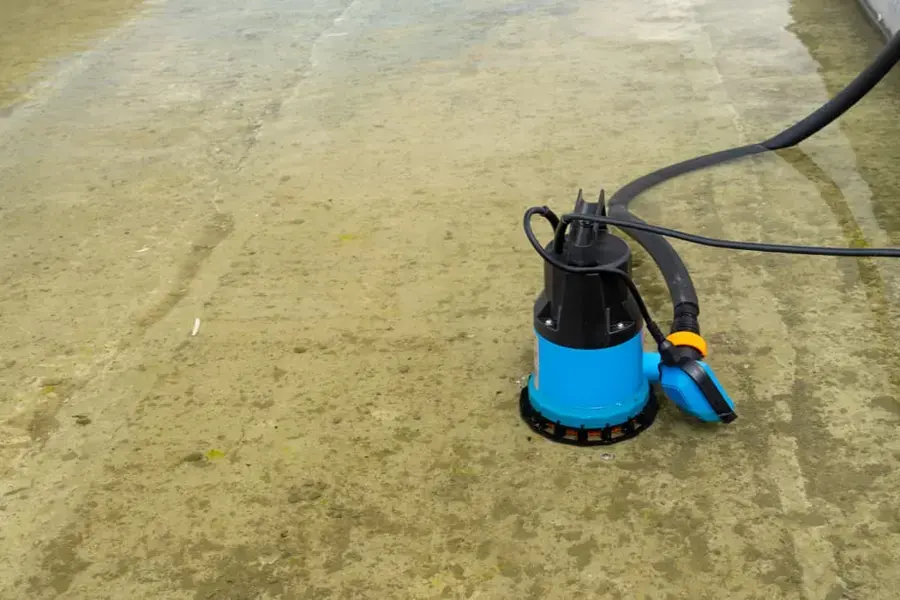
Water Extraction and Removal
Standing water pulled out with truck-mounted units before it soaks into plaster, hardwood and subfloor.
See water extraction and removal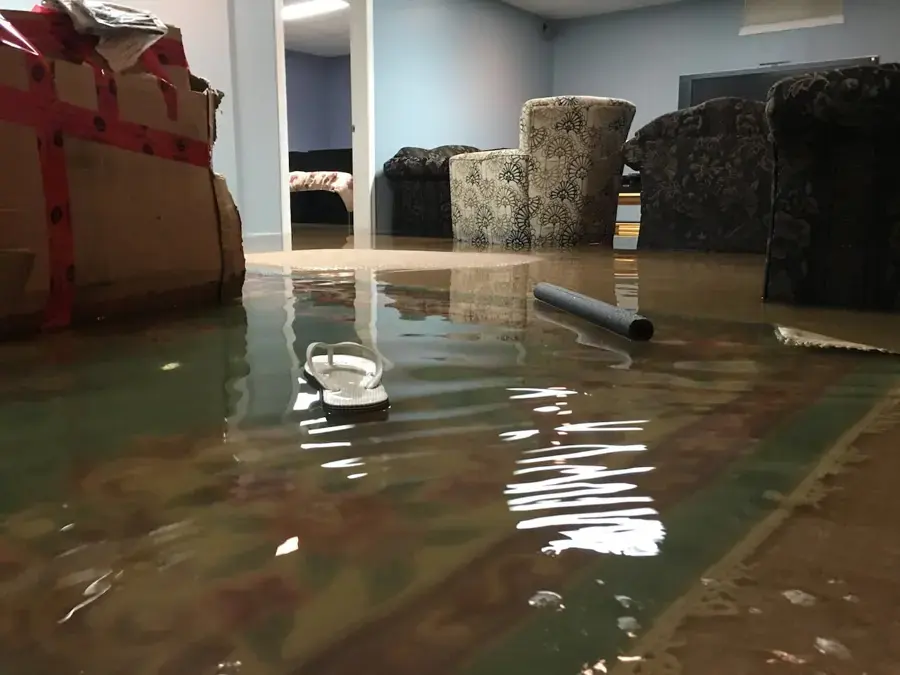
Basement Flooding Cleanup
Old stone and block basements pumped out, wet finishes removed and the walls dried to a reading.
See basement flooding cleanup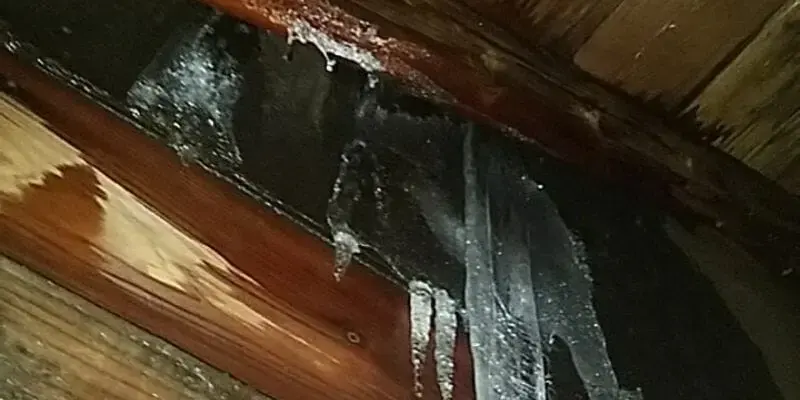
Frozen Pipe Water Damage
Pipes that split in outside walls and cold basements traced with thermal imaging and dried in place.
See frozen pipe water damage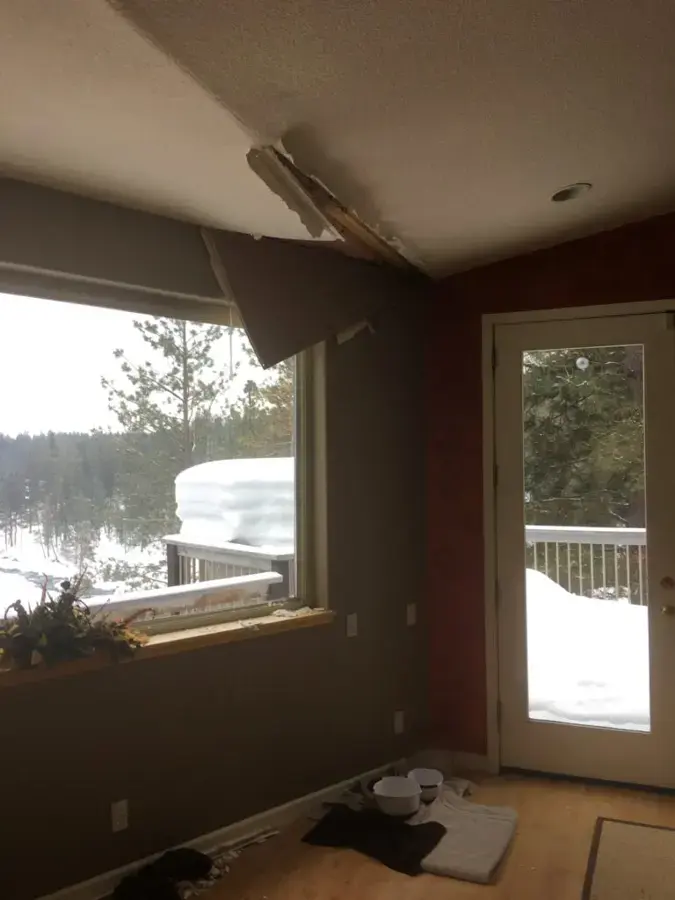
Ice Dam Water Damage
Meltwater pushed under the shingles followed through the attic, the walls and the top-floor ceilings.
See ice dam water damage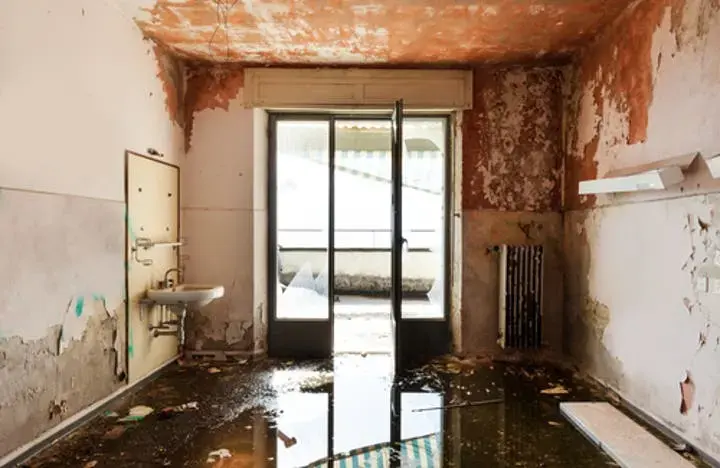
Storm and River Flood Cleanup
Nor'easter runoff and Charles River backwater handled as Category 3 and dried to the S500 goal.
See storm and river flood cleanup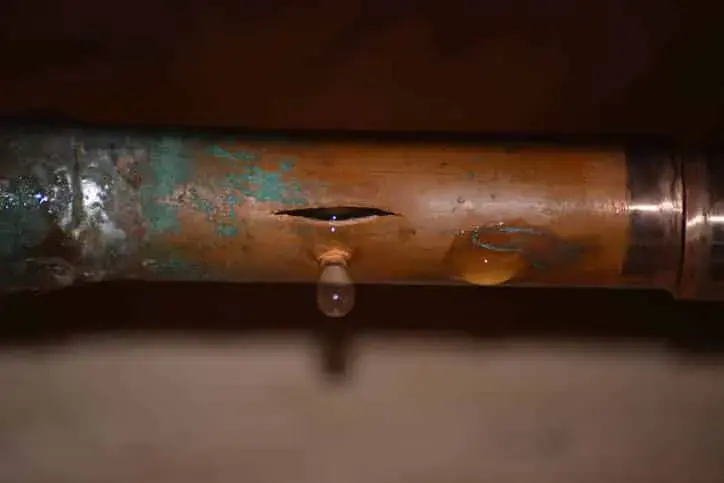
Burst Pipe Water Damage
Old galvanized and copper supply pipe failures extracted, with walls opened only where meters say.
See burst pipe water damage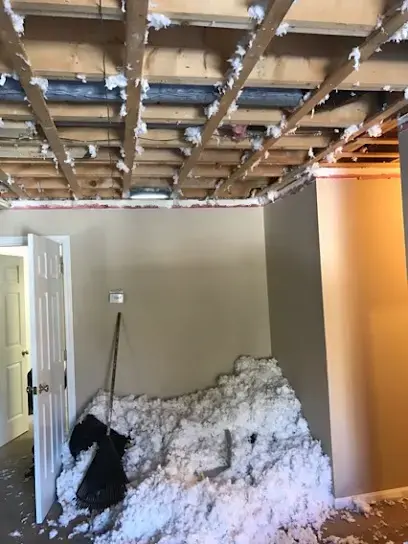
Ceiling Leak Water Damage
Leaks from the unit or bathroom above traced, sagging plaster brought down safely, joists dried.
See ceiling leak water damage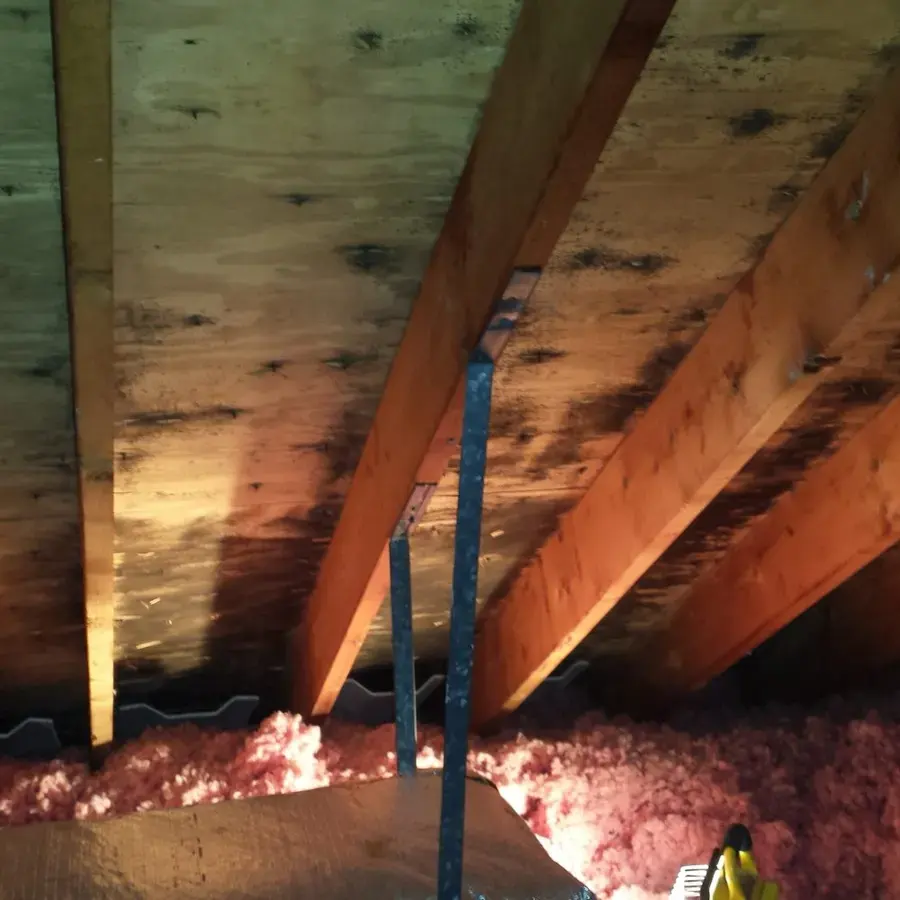
Roof Leak Water Damage
Wind-driven rain through old flashing and porch roofs, wet attic insulation pulled, ceilings dried.
See roof leak water damage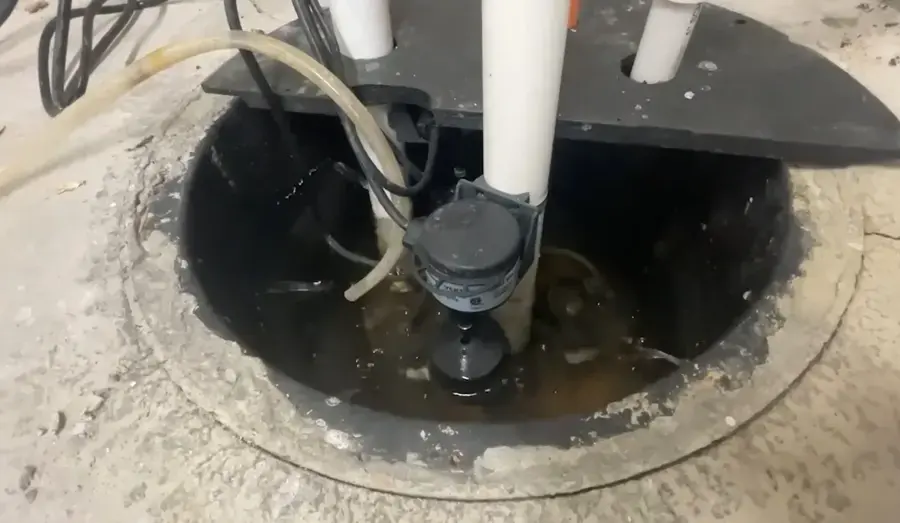
Sump Pump Failure Cleanup
Pits that overflow in snowmelt or a storm outage, pumped out and dried before the finishes are lost.
See sump pump failure cleanup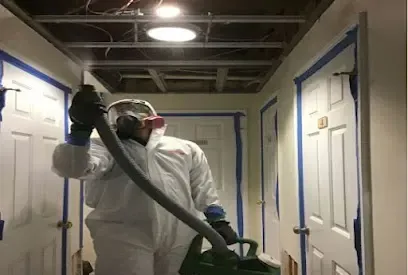
Sewage Backup Cleanup
Floor drain backups contained, porous materials removed and every surface treated with antimicrobial.
See sewage backup cleanup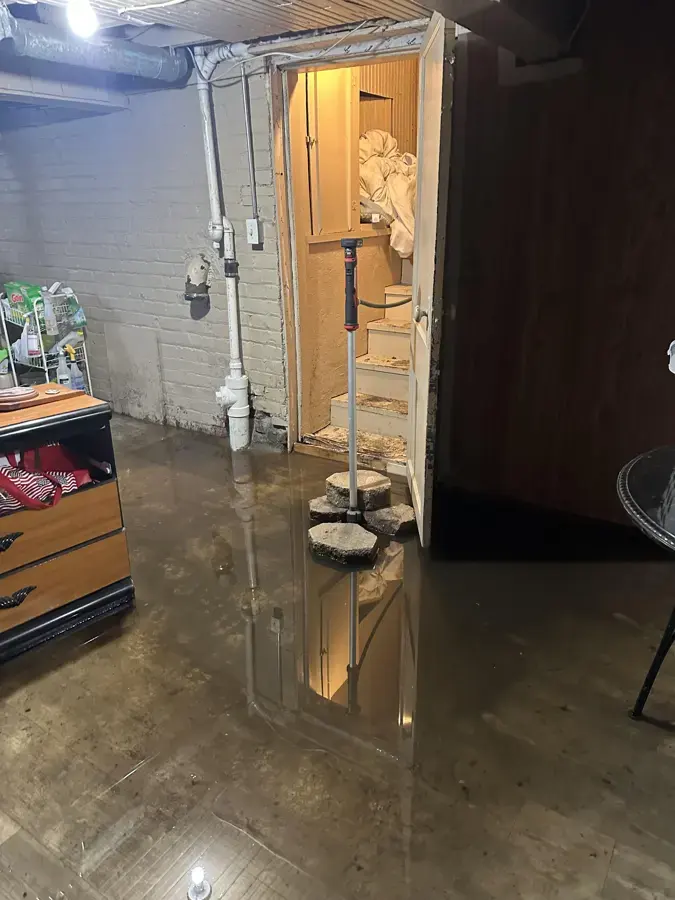
Water Heater Leak Cleanup
Basement tanks that fail out of sight, extracted, with the slab, walls and storage dried.
See water heater leak cleanup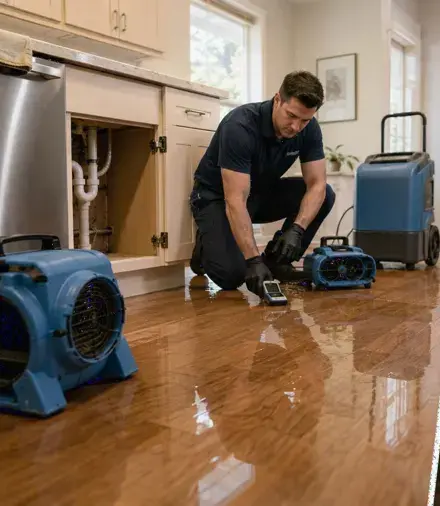
Appliance Leak Water Damage
Washer, dishwasher and ice maker leaks found under cabinets, hardwood and the ceiling below.
See appliance leak water damage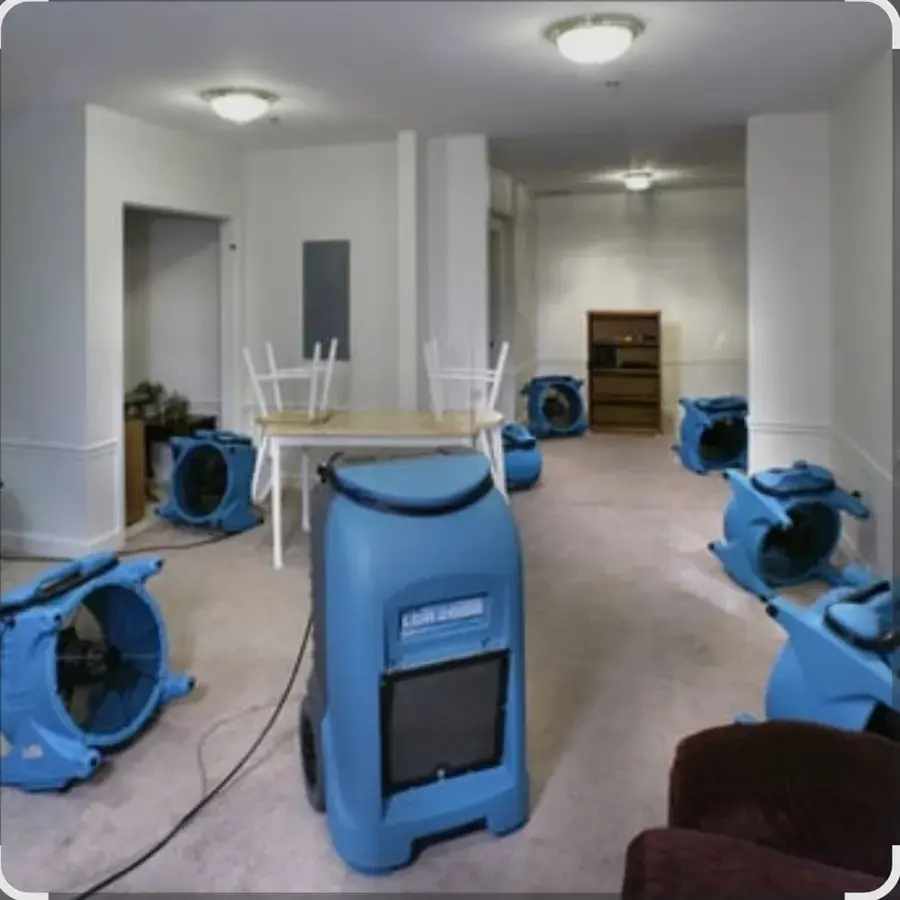
Structural Drying and Dehumidification
Plaster, hardwood and framing dried to within 2 to 4 points of a dry reference material.
See structural drying and dehumidification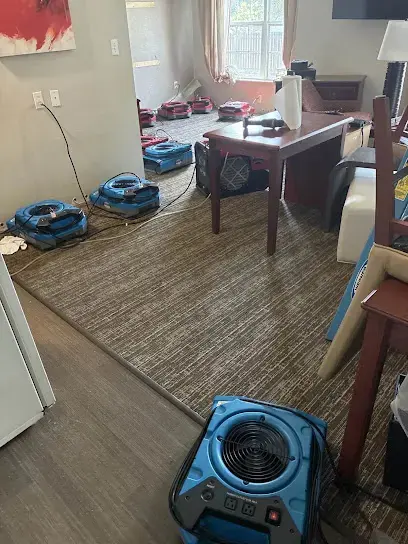
Commercial Water Damage
Offices, labs and storefronts from Route 128 to Moody Street dried in phases to stay open.
See commercial water damageWater damage dried to the IICRC S500 standard
A finished dry-out in a Waltham house means the plaster, the hardwood and the framing behind them are dry, not just the surfaces you can touch. The drying team proves it with daily readings against a dry reference material in an unaffected room.
- 1
Moisture mapping
The tech who does the walkthrough maps every wet floor, wall and ceiling with meters and a thermal camera before any equipment goes down.
- 2
Extraction
The extraction crew pulls standing water as liquid first, with truck-mounted units and submersible pumps in flooded basements.
- 3
Air movers and LGR dehumidifiers
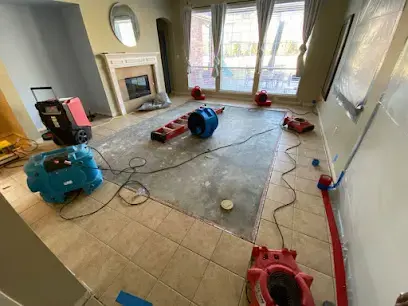
The drying team sizes air movers and dehumidifiers to the class of loss in each room, with mats for hardwood and cavity drying for plaster walls.
- 4
Dry verification
Readings are logged daily, and the equipment leaves when the wet materials sit within 2 to 4 points of the dry reference.
All water damage categories covered in Waltham, MA
Clean water
A split supply pipe, a failed water heater or an ice maker tube. Usually dried in place when extraction starts early.
Burst pipe water damageGray water
Washer and dishwasher discharge, sump overflow and water that sat for days. Cleaned and treated before drying.
Appliance leak water damageBlack water
Sewage from a floor drain, river backwater and storm runoff. Porous materials it touched are removed, not dried.
Sewage backup cleanupWhat does water damage restoration cost in Waltham, MA?
In Waltham, MA, water damage restoration typically runs $1,200 to $25,000 or more. A single room of clean water sits at the low end, while a finished basement, plaster ceilings or a sewage backup pushes the number up. The water category, square footage, material class and how fast drying started move it most.
Contained clean-water leak
$1,200 to $4,000Basement or multi-room loss
$4,000 to $10,000Sewage or river water
$10,000 to $25,000+These are typical ranges, not a quote. Try the water damage cost calculator or the drying time estimator for your own numbers.
What separates a finished dry-out from a cosmetic one
The order of the work matters more than the speed of the first visit. The tech who does the walkthrough maps moisture first, the extraction crew pulls the water, and the drying team sizes equipment to each room before anything is torn out.
Rapid local response
The response team dispatches around the clock, and active water in Waltham is treated as urgent at any hour.
IICRC S500 drying standard
Structural drying, not just surface drying, with equipment that stays until the readings say dry.
Claim-ready documentation
Moisture maps, daily psychrometric logs and timestamped photos taken before any demolition.
Charles River water experts
Pre-war basements, frozen pipes, ice dams and old sewer laterals are the losses Waltham crews see most.
Documentation for your insurance claim
A water claim is decided on the file, not on the phone call. Most restoration contractors in Waltham start building that file at the first visit.
What the claim file carries
- A moisture map from day one, showing every wet floor, wall and ceiling
- Daily psychrometric logs and moisture readings until the drying goal is met
- Timestamped photos taken before any demolition or removal
- The category and class of the loss under the IICRC S500
- An itemized scope in the format adjusters expect
Check your own policy
Coverage depends on your policy, so it is worth checking with your own insurer. A burst pipe or a failed water heater is usually treated as sudden and accidental discharge, while rising river or surface water falls under flood coverage, a separate policy.
Sewer backup and sump overflow are often a separate endorsement on homeowners policies, so it is worth asking whether yours includes it before the next storm.
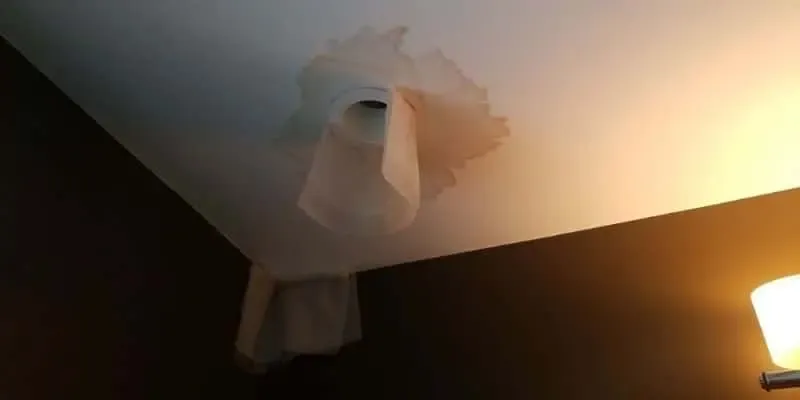
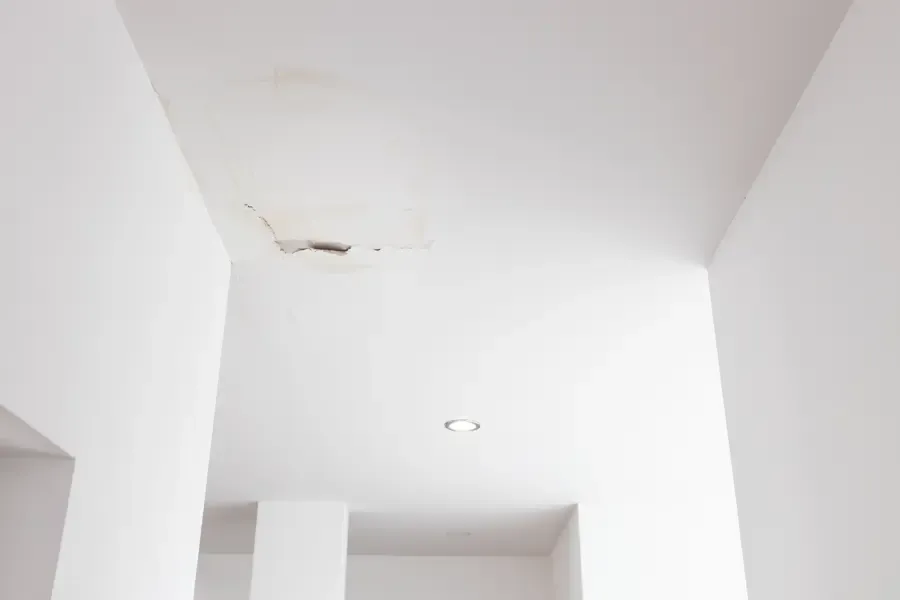
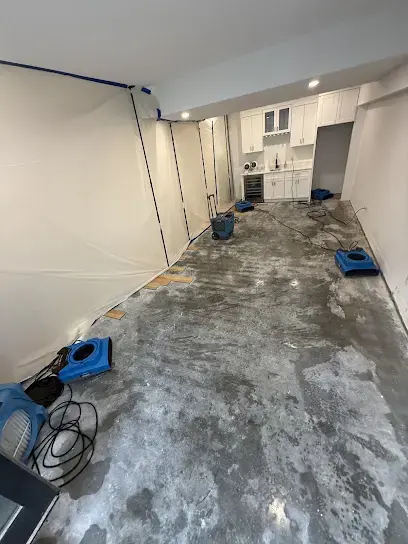
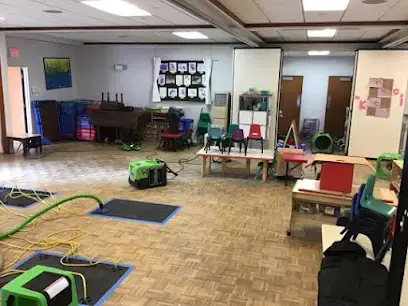
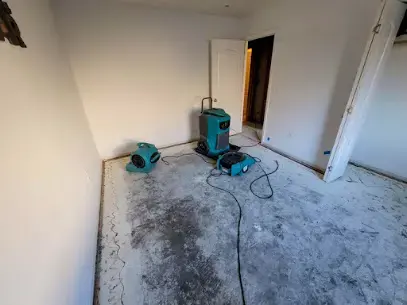
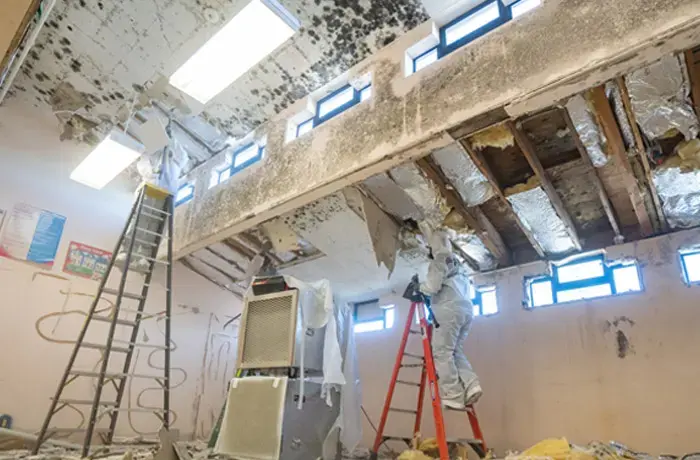
What a water damage dry-out looks like in Waltham
One call reaches Waltham water damage pros, 24/7
Water damage in Waltham, MA: the Charles River risk profile
Waltham is a mill city built along both banks of the Charles, and its water losses follow its old housing, its rivers and its New England winters.

March 2010. Back-to-back storms flooded the Charles River watershed and filled basements across Middlesex County. In October 2025 a water main break sent water down Graymore Road and into a home's basement.
- I
Pre-war houses and old drains
Two-family houses and triple-deckers on the South Side stack plumbing floor over floor, and old cast iron drains crack with age.
- II
Frozen pipes in outside walls
Supply pipes in uninsulated exterior walls and cold basements split in a hard freeze and leak once they thaw.
- III
Ice dams on older roofs
Heat lost into the attic melts snow that refreezes at the eaves and backs water into top-floor ceilings.
- IV
Old stone and block basements
Fieldstone and block foundations seep in long rains and spring snowmelt, and sump pits overflow when the power drops.
- V
Sewer backups at floor drains
Aging sewer laterals and heavy storms push Category 3 water up through basement floor drains.
Water damage questions in Waltham, MA
How fast should water damage be dealt with?
Within the first day if possible. Water wicks into plaster, drywall and subfloor within hours, and mold can start growing within 24 to 48 hours. Waltham water damage pros dispatch around the clock, and active water is treated as urgent at any hour.
Does homeowners insurance cover water damage in Massachusetts?
Usually when the water is sudden and accidental, such as a burst pipe or a failed water heater. Gradual leaks, flood water and sewer backup are often excluded or need separate coverage. Coverage depends on your policy, so it is worth checking with your own insurer.
Why do pipes freeze in Waltham houses?
Most freeze breaks happen in supply pipes that run through uninsulated exterior walls, over cold basements or under additions and porches. A hard freeze with wind on that side of the house does the rest, and the leak usually shows up when the pipe thaws. See frozen pipe water damage.
What is an ice dam and how does it cause a leak?
Heat escaping into the attic melts snow on the roof. The water refreezes at the cold eaves and builds a ridge of ice, and the meltwater behind it backs up under the shingles into the attic, the walls and the top-floor ceilings. See ice dam water damage.
How long does drying take?
A contained Class 1 loss usually dries in three to five days. Plaster walls, hardwood floors and finished basements take longer because the moisture has to move through dense material. Equipment comes out when readings land within 2 to 4 points of a dry reference material, not on a set date.
What is the IICRC S500?
S500 is the industry standard for professional water damage restoration, published by the IICRC. It sets how water is classified by category and class, how much drying equipment a room needs and how dryness is verified.
Do plaster walls have to come out after a leak?
Not always. Old plaster on wood lath often dries in place with air movers and dehumidifiers if it was wet with clean water and is still sound. Plaster that sags, has let go of the lath or was soaked with Category 3 water is removed.
Why is a sewage backup handled differently?
Sewage is Category 3 water the moment it happens. The area is contained, the crew wears PPE, porous materials it touched are removed and every surface is treated with an EPA-registered antimicrobial before drying. See sewage backup cleanup.
What is the difference between mitigation and repair?
Mitigation stops the damage: extraction, removing what cannot be saved and drying. Repair, or reconstruction, puts the house back together once the structure is dry. Insurers usually look at the two separately.
How is the cost of water damage restoration worked out?
Most restoration contractors price from an itemized estimate: square footage, the category of water, the class of the loss, equipment days and materials removed. Try the cost calculator for a typical range.
Water damage in Waltham? Start the dry-out tonight.
From a split pipe in Warrendale to a flooded basement by the Charles, the restoration team extracts, dries to the IICRC S500 goal and documents every step.
(888) 629-3140Start Waltham water removal now